
Payout Denied After Passing? 7 Rule Clauses Indian Traders Miss
Indian traders losing profits to hidden consistency rules, news bans and lot violations. Learn exactly which clauses trigger denials before you withdraw.
Indian traders losing profits to hidden consistency rules, news bans and lot violations. Learn exactly which clauses trigger denials before you withdraw.
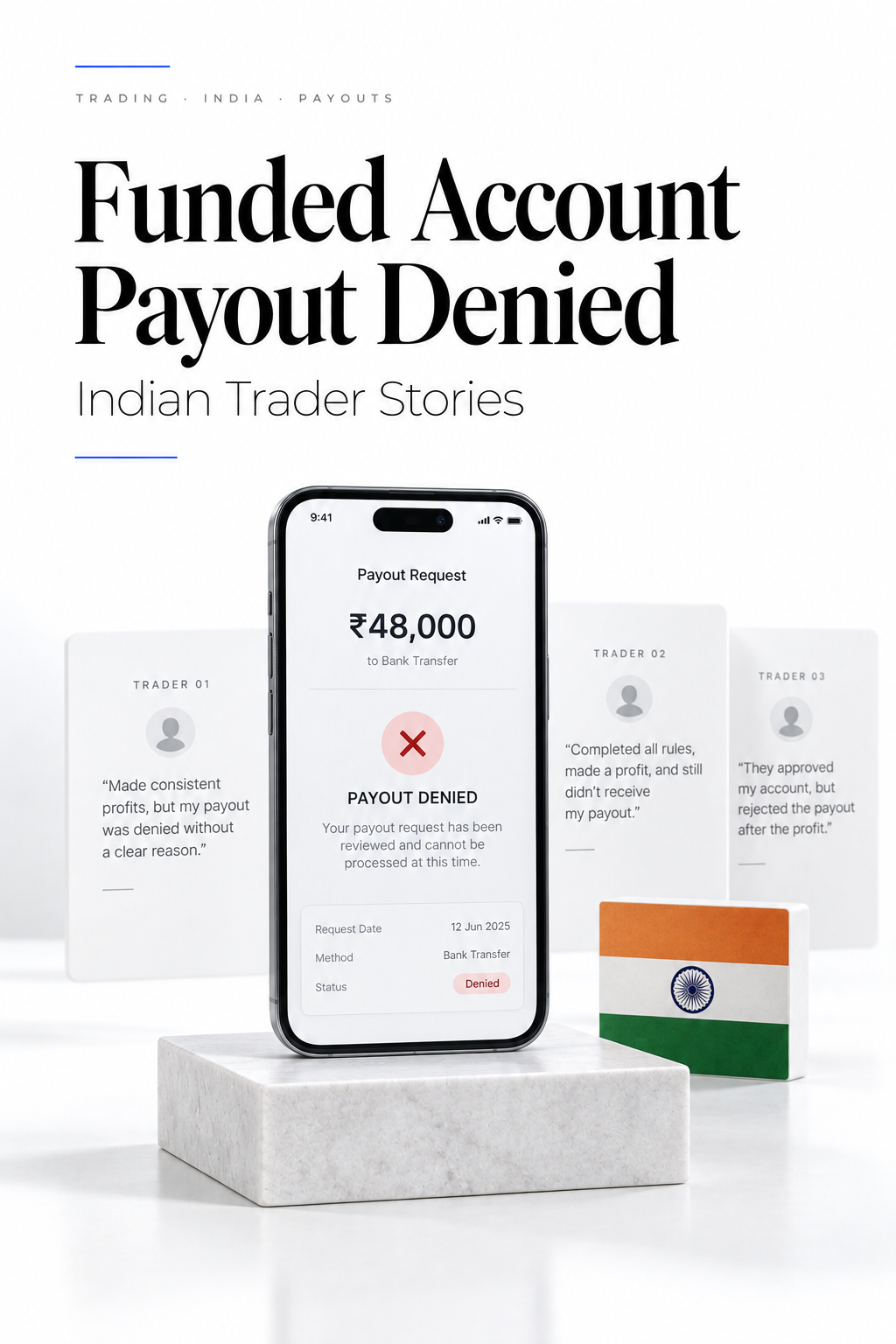
Start your evaluationFunded Account Payout Denied After Profit: Indian Trader Stories
TL;DR: Indian traders are having real profits denied — not because they broke obvious rules, but because of clauses buried in terms, retroactive interpretations, and vague consistency policies. Here's what's actually happening, and what to look for before you trust any platform with your money.
Key takeaways:
- Payout denial after passing is one of the most reported grievances in Indian trading communities on Telegram and Discord
- The most common reasons are consistency rules, lot size violations, and "news trading" bans — often poorly disclosed upfront
- Platforms that change rules mid-evaluation or post-pass are the clearest red flag of all
- Verification before you pay is non-negotiable — check public rule documentation, real payout proof, and community track records
- PropScholar publishes its rules publicly and has never changed them retroactively; payouts are processed within 4 hours of verification
You passed the evaluation. You hit the profit target. You followed the drawdown limits. Then the withdrawal request sits there for days, and eventually you get a message — sometimes a template, sometimes nothing at all — telling you the payout has been denied.
This is not a rare edge case. Inside Indian trading communities on Telegram and Discord, stories like this appear every week. Traders who spent weeks on a funded challenge, managed risk carefully, grew the account — only to be told at the finish line that some clause they'd never clearly been shown means they get nothing.
Let's talk about what's actually happening here, because the patterns are specific and learnable.
Why Do Funded Account Payouts Get Denied in India?
The honest answer is: usually not because you did something obviously wrong. The denials that generate the most anger in Indian communities happen when a trader did everything they understood the rules to require — and then got caught by a clause they either didn't see, didn't understand, or that was never clearly communicated.
There are a handful of recurring patterns across these stories.
The Hidden Consistency Rule
Consistency rules are the single most commonly cited reason for payout denial in Indian trading forums. The rule typically says something like: no single day's profit can account for more than 30%, 40%, or 50% of your total profit. On the surface it sounds fair. In practice, if you had one exceptional session during volatile markets — say a CPI release — and that session made up too large a share of your overall gains, you can be denied even if your total profit is well above target.
The problem isn't the rule itself. It's that many platforms bury this in section 7 of a terms document that most traders never read carefully. They see "5% daily drawdown, 10% max drawdown, 8% profit target" and think they understand the evaluation. Then they discover there was a fourth constraint nobody highlighted.
The "News Trading" Clause That Moves
A lot of platforms prohibit trading within a certain window around high-impact news events. Sometimes it's 2 minutes before and after. Sometimes 5. Sometimes the restriction applies only to certain instruments. What's particularly damaging is when this rule isn't precisely defined upfront — so a trader places a trade 3 minutes before NFP, which they thought was fine, and it becomes the reason for denial.
Some traders report that these windows were expanded after the fact, or that the platform simply flagged trades and denied the payout without showing exactly which trade triggered the violation.
Lot Size "Exploitation" Accusations
This one stings the most for systematic traders. Some platforms have rules against what they call "lot size manipulation" — drastically scaling up size on one trade to hit the target quickly. The rule is vague enough that a trader who simply increased size after a string of winning trades, perfectly within daily risk limits, can be accused of exploiting the evaluation conditions.
The problem is that no precise threshold is defined. "Drastically scaling up" is in the eye of whoever reviews the account.
Rules That Changed During the Evaluation
This is the most damaging pattern because it's the hardest to fight. A trader starts an evaluation under one set of rules. Midway through, the platform updates its terms. The updated terms apply retroactively to active evaluations. The trader had no way of knowing — and no contract protection.
If a platform can change rules whenever it wants, the rules aren't really rules. They're guidelines for a decision that's already been made.
What Indian Trading Communities Are Actually Saying
Scroll through any large Indian trading Discord or Telegram group and you'll find threads with screenshots — denied payout emails, support conversations that go nowhere, platforms that stop responding after the withdrawal request goes in. The tone shifts from frustrated to genuinely angry when traders share stories of platforms that were active on social media, promoting their challenge results, and completely silent when it came to honouring payouts.
The most trusted advice that surfaces repeatedly in these communities:
Check payout proof before you pay the entry fee. Not marketing screenshots — actual community members sharing their payment receipts from recognized platforms. Our guide on how to verify payout proof in a trading community before you trust it goes deep on exactly what to look for and how to spot a fabricated screenshot.
Read the full terms, not the landing page. The profit target and drawdown limits are always easy to find. The consistency rule and news trading restrictions are usually not. If a platform makes you work to find the full ruleset, that's a signal.
Search for the platform name plus "payout denied" or "withdrawal refused" on Telegram and Reddit. If there are multiple independent traders — not just one disgruntled outlier — reporting the same pattern, that pattern is real.
The Red Flags That Appear Before the Denial
By the time a payout is denied, most traders look back and say the signs were there earlier. The platform was slow to respond to support questions. The rules were inconsistent across different pages on the website. The "payout proof" shared in their community all looked suspiciously similar — same amount, same format, no visible transaction IDs.
Our piece on spotting fake payout proof screenshots from $1 challenges covers this specifically — what real payment confirmation looks like versus what platforms generate to fake credibility.
Beyond the screenshots, watch for:
No fixed payout timeline. If a platform says "payouts are processed promptly" without defining what that means, they're leaving themselves room to delay indefinitely.
Vague violation language. When the terms say something like "accounts showing patterns inconsistent with genuine trading may be reviewed," that's not a rule. It's a backdoor. Any profitable trader can be caught by language that vague.
No public, timestamped rule history. If you can't verify that the rules today are the rules that existed when you started your evaluation, you have no way to hold the platform accountable.
How PropScholar Approaches This Differently
PropScholar is a scholarship-based trading evaluation platform, not a prop firm. The distinction matters: when you pass an evaluation, you receive a scholarship grant — up to 400% of your entry fee — not a funded account linked to real capital allocation. The model is transparent about what it is.
Here's where the operational differences become concrete.
Rules Are Public and Have Never Changed Retroactively
PropScholar's evaluation rules are documented publicly and have remained consistent since the platform launched. A trader who starts an evaluation today can verify that the terms they're agreeing to are the same terms that will apply when they submit a payout request. That's not a marketing claim — it's something any trader in the PropScholar Discord community can verify by asking traders who passed six months ago.
Payouts Happen Within 4 Hours of Verification
Not "within a few business days." Not "promptly." Four hours from the point of verification. That's a specific, trackable commitment. When payout timelines are this precise, it's much harder to create grey areas where a payout just quietly sits unprocessed.
Entry Starts at Rs. 400
The lowest entry point is Rs. 400 (roughly $5). For Indian traders who've been burned by expensive evaluations on platforms that then denied their payout, the exposure is minimal. You're not risking Rs. 5,000 or Rs. 10,000 to find out whether a platform is trustworthy.
Support in Hindi and Multiple Languages, 24/7
This matters more than people give it credit for. A lot of payout disputes in Indian communities escalate because traders can't communicate clearly with support — they get template English responses to questions that required a specific, contextual answer. Having support available in Hindi, around the clock, means a trader who has a genuine question about whether a specific trade approach is within the rules can get a real answer before they trade, not a denial after.
How to Protect Yourself Before You Pay Anything
This is the practical part. Before you register on any evaluation platform — PropScholar or anyone else — run through this.
Find the full terms document, not just the challenge overview. Look specifically for: consistency rule (is there one? what's the threshold?), news trading restrictions (how many minutes, which instruments?), lot size policies, and the payout timeline. If any of these aren't findable in under five minutes, that's a red flag.
Search for the platform name in independent communities. Not their own Discord. Reddit, Quora, Indian trading Telegram groups. Look for payout denial stories. Look for whether the company responds to criticism or ignores it.
Ask in a community before you pay. PropScholar's Discord has over 3,000 traders. Ask if anyone has passed recently, what the process looked like, how long the payout took. Real communities give real answers.
Start with the minimum. If a platform offers a Rs. 400 or $5 entry, start there. You're not proving anything by going straight to a Rs. 5,000 challenge on a platform you haven't vetted.
Document everything during your evaluation. Keep your own records of every trade — entry time, exit time, lot size, instrument. If there's ever a dispute, you need your own record, not just whatever the platform shows you.
The Broader Pattern Worth Understanding
The funded trading space — not just in India, but globally — attracts platforms that are built around collecting entry fees rather than paying out scholarships or profits. That's not a speculation; it's a business model that works as long as denial rates are high enough. The evaluation process becomes a revenue mechanism, not a genuine assessment of trading skill.
The safest thing any Indian trader can do is treat the evaluation fee as a cost of due diligence, not a cost of access to guaranteed returns. Evaluate the platform as hard as you evaluate your own trading. Check the PropScholar shop to see exactly what's on offer, then cross-check it with community feedback.
Good platforms — scholarship-based or otherwise — want you to pass. Their reputation depends on real payouts that traders talk about positively. That reputation is easier to verify than any marketing copy.
FAQs
What are the most common reasons a funded account payout gets denied in India? The most common reasons are hidden consistency rules (where one profitable day accounts for too large a share of total gains), vague news trading restrictions, lot size policies that aren't clearly defined, and platforms applying updated terms retroactively to active evaluations. Understanding all four before you start an evaluation is essential for protecting yourself.
Is PropScholar a legitimate platform for Indian traders? PropScholar is a scholarship-based trading evaluation platform registered as a Private Limited company in India under the MCA. It has been operating for over 1.5 years. Evaluations start at Rs. 400, rules are publicly documented and have never been changed retroactively, and scholarships are paid within 4 hours of verification. It is not a prop firm and does not manage real capital.
How do I verify that a trading platform's payout proof is real? Look for proof that includes visible transaction IDs, payout timestamps, and confirmation from multiple independent traders in unaffiliated communities — not just the platform's own social channels. Our guide on verifying payout proof in a trading community covers the specific visual and structural signals that separate real transfers from fabricated screenshots.
Can a prop firm or evaluation platform change the rules after I start an evaluation? Some platforms do this, and it's one of the clearest red flags in the space. Platforms that change terms mid-evaluation leave traders with no protection. Before joining any evaluation, confirm whether the full terms are publicly versioned or timestamped, and ask in independent trader communities whether past participants had any experience of retroactive rule changes.
What should I do if my funded account payout is denied? Document everything first — your trade history, the terms you agreed to when you signed up, any correspondence with the platform. Compare the specific violation they cite against the terms document you have. If the platform's support is unresponsive, escalate via the community, share your experience in trader groups, and consider reporting to relevant consumer protection bodies. Prevention — vetting before you pay — is far more effective than recovery after.
Why does PropScholar pay within 4 hours instead of the typical several days? The 4-hour payout timeline is a specific operational commitment, not a marketing claim. It reflects PropScholar's scholarship model: once a trader's evaluation is verified, the scholarship grant is processed immediately. There's no capital allocation review process or manual approval chain. Traders in the PropScholar Discord regularly share timestamped payout confirmations that validate this timeline.
How do I know which evaluation rules I should check before paying? Focus on four things: the consistency rule and its exact threshold, the news trading restriction window, the lot size policy, and the payout timeline with a specific number of hours or days. If any of these are missing or described only vaguely in the terms document, ask support for clarification in writing before you pay the entry fee.
PropScholar is a scholarship-based trading evaluation platform operated by a Private Limited company registered in India. We are not a prop firm and do not manage or allocate institutional capital. Our model rewards proven trading skill with scholarship grants upon successful evaluation completion.
Related reading
- Are Free Funded Accounts Real? What 'Free' Prop Offers Actually Cost You
- Is PropScholar Legit or Fake? The Honest 2026 Review Every Trader Should Read Before Paying
- The Safest Way for a College Student to Start Trading and Not Lose Money
- Cheap Prop Firm No Consistency Rule 2026: Skip the 15% Trap
- Is PropScholar Legit? An Honest Review With Payout Proof
- Alternatives to Prop Firms That Change Rules After You Pass
Ready to Prove Your Edge?
Join 500+ traders. Start from just $5. Get funded within days.
Frequently Asked Questions
The most common reasons are hidden consistency rules (where one profitable day accounts for too large a share of total gains), vague news trading restrictions, lot size policies that aren't clearly defined, and platforms applying updated terms retroactively to active evaluations. Understanding all four before you start an evaluation is essential for protecting yourself.
More From PropScholar
Trader Safety
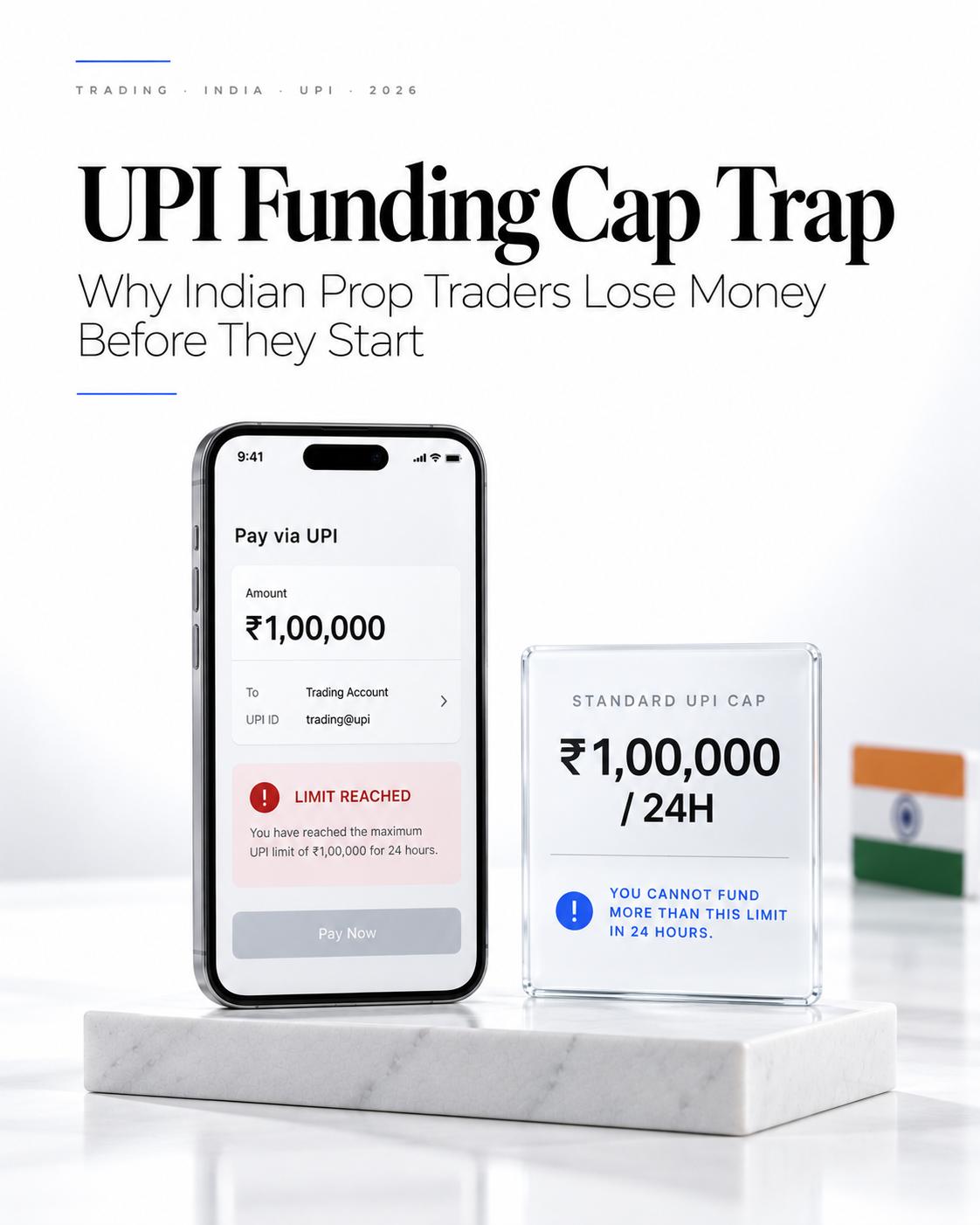
UPI Funding Cap Trap: Why Indian Prop Traders Lose Money Before They Start (2026)
14 min read
Scholarship Model
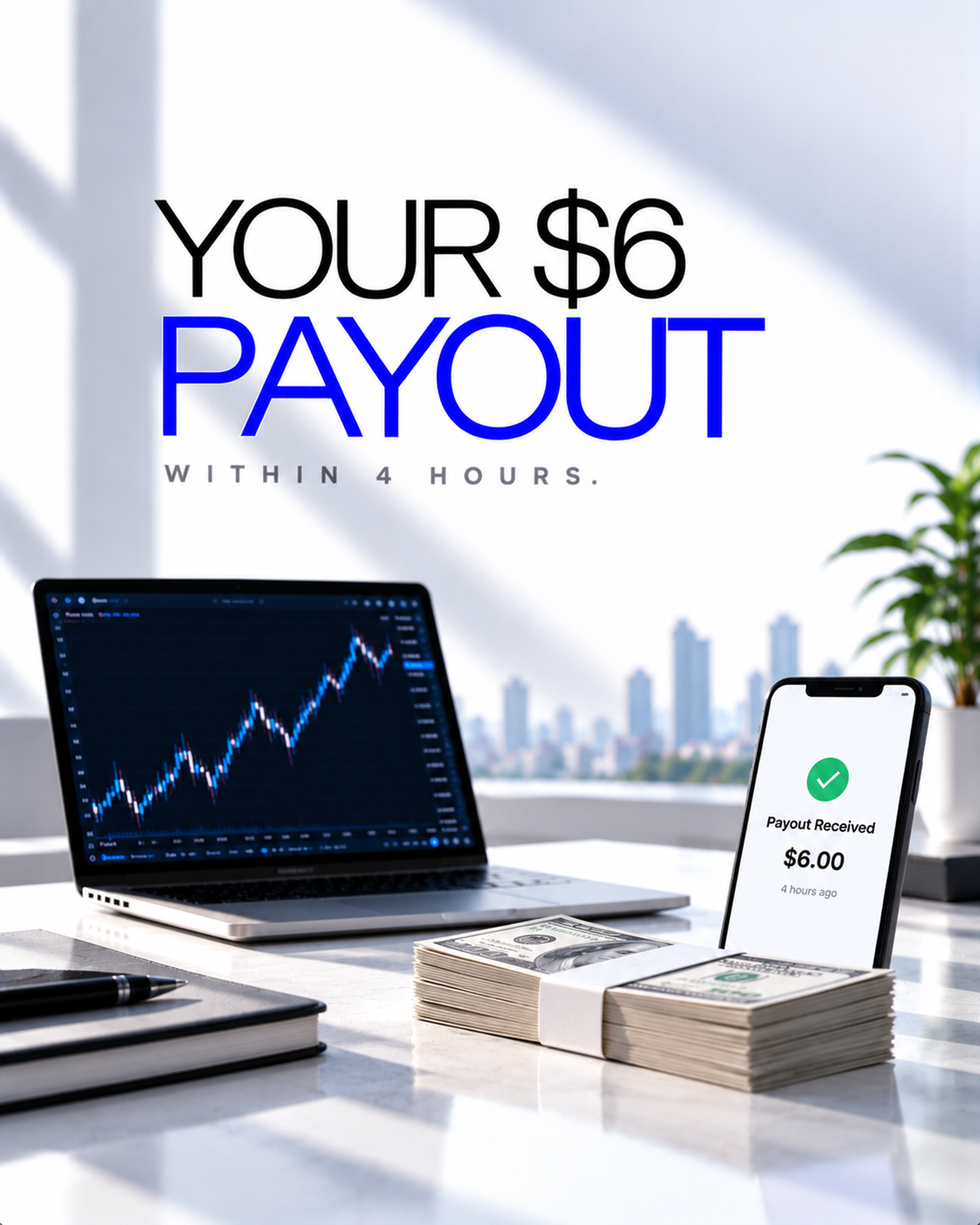
After You Pass the $1 Challenge: Your $6 Payout Within 4 Hours
11 min read
Trader Safety
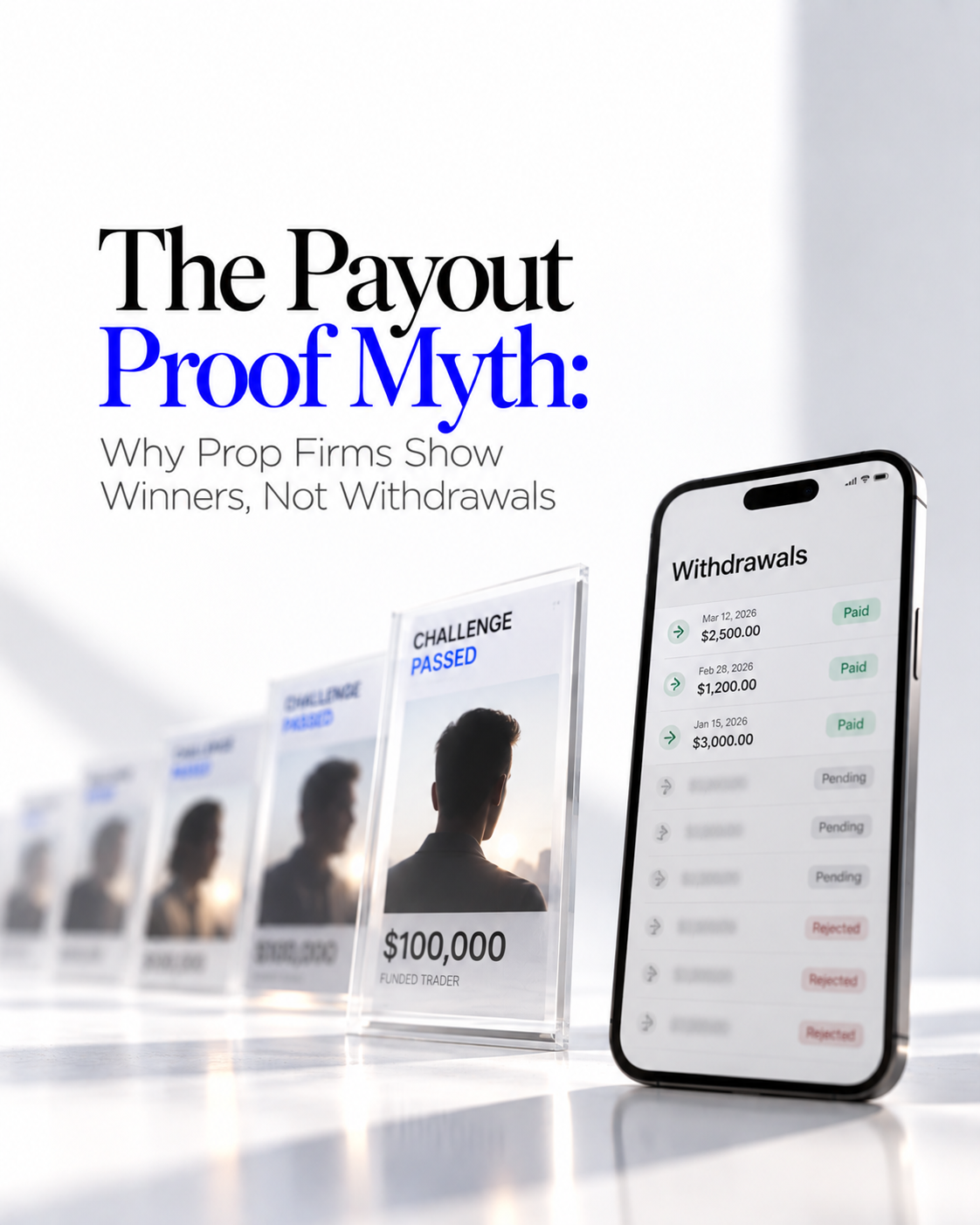
The Payout Proof Myth: Why Prop Firms Show Winners, Not Withdrawals
11 min read

Trader Safety
JazzCash to Bank Account: Real Payout Timelines Pakistani Traders Wait For
12 min read

Trader Safety
Is Pay After Pass Legit or Not? The Honest Answer for 2026
11 min read

Trader Support
Graduate With Campus Placement: Should You Start USDT Trading Before Your Job Begins?
12 min read